Faculty Profiles
|
Filter on:
|
|
|
S
|
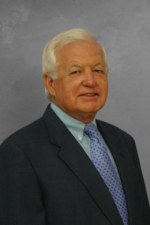
Bob Sanders
Professor in Molecular Genetics & Microbiology
Website
|
|
Research interests are in the interdisciplinary areas of nutrition and cancer biology. Long term goals are to develop
vitamin E analogs as anticancer agents, and to increase the understanding of the ...
|
|
|
|
|
Sahotra Sarkar
Professor, Ph.D.
Integrative Biology and Philosophy
Website
|
|
The major thrust of our research is in systematic biodiversity conservation and restoration planning, in particular, the design of conservation area networks. However, we are interested in all areas ...
|
|

|
|
|
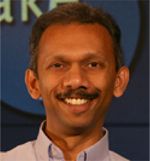
K. Sata Sathasivan
Senior Lecturer, Ph.D.
Website
|
|
I am interested in applied plant molecular biology areas such as plant genetic engineering, genome analysis, expression of foreign proteins in plants and developing biofuels.
|
|
|
|
|
Sara Sawyer
Assistant Professor of Molecular Genetics and Microbiology
Website
|
|
Evolutionary changes driven by historical viral epidemics have left a molecular fossil record in our DNA sequence. Our goal is to learn about natural strategies that have been successful at beating ...
|
|

|
|
|
|
|
|
|
Timothy Schallert
Distinguished Teaching Professor, Ph.D.
Website
|
|
The brain and spinal cord are vulnerable to traumatic injury, stroke, tumors and degenerative diseases, often with devastating functional impairments, but at no time in the history of medicine have ...
|
|

|
|
|
Christine Schmidt
Adjunct Professor
Website
|
|
Damage to spinal cord and peripheral nerve tissue can have a devastating impact on the quality of life for individuals
suffering from nerve injuries. Many attempts are being made to engineer ...
|
|

|
|
|
|
|
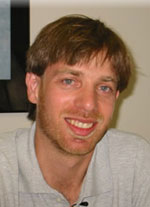
Eyal Seidemann
Professor of Psychology and Neuroscience
Website
|
|
The central goal of my research is to understand how perceptual events and motor plans are represented and processed in the primate cerebral cortex. To address these questions, we employ a novel ...
|
|
|
|
|
|
|
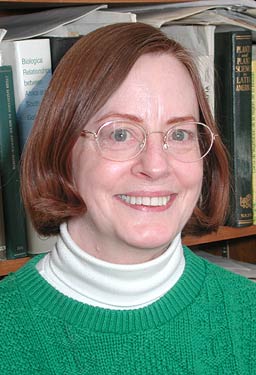
Beryl B. Simpson
C. L. Lundell Professor
Website
|
|
Dr. Simpson's laboratory is engaged in an array of studies that deal with the phylogeny and biogeography of various angiosperm groups. Taxonomic groups range from monocots to the Asteraceae. Most ...
|
|
|
|
|
|
|
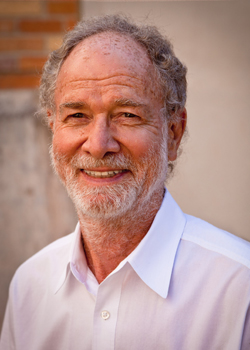
Max Snodderly
Professor of Neuroscience
Website
|
|
We study the early stages of the primate visual pathway from the retina to the cortex. In human subjects, we are measuring the retinal macular pigment that filters out blue light and protects the ...
|
|
|
|
|
David Stein
Professor in Molecular Cell & Developmental Biology
Website
|
|
Most of the research in our lab is focused on the question of how a complex multicellular organism develops from a seemingly simple single cell, the fertilized Drosophila egg. In one set of ...
|
|

|
|
|
Scott Stevens
Associate Professor of Molecular Genetics & Microbiology, Chair of Graduate Studies Committee
Website
|
|
Ribonucleoproteins (RNPs) function in many cellular processes and the malfunction of some of these RNPs cause serious human disease. To better understand how disease states can be corrected, our ...
|
|

|
|
|
Christopher Sullivan
Associate Professor in Molecular Genetics and Microbiology
Website
|
|
The discovery of RNA interference (RNAi) and small regulatory RNAs such as siRNAs and miRNAs, has dramatically changed our understanding of the regulation of gene expression. Consequently, RNAi has ...
|
|
|
|
|
Sibum Sung
Assistant Professor Cell and Developmental Biology
Website
|
|
Our research interests focus on the genetic, molecular and biochemical understandings of plant development through plant-environment interactions. We are particularly interested in the epigenetic ...
|
|
|
|
|
|
|
|